More Signals Is Not the Same as More Opportunity

The appeal of the five minute range is straightforward. The boundary sits closer to price, so it gets crossed more often, so there are more trades. For anyone who finds waiting difficult, this is presented as the timeframe's main advantage, and it is usually described in language that treats signal count and opportunity as the same quantity. They are not.
What Actually Changed

Shortening the period does not create new market activity. The same session unfolds either way. What changes is the threshold at which your rule declares something has happened, and lowering a threshold always produces more events, in any measurement system, regardless of whether the underlying thing became more common.
So the extra signals are not extra opportunities that a longer range was missing. They are the same session, described with a more sensitive detector. Some of what the detector now catches is genuine early movement. Some of it is activity a longer window would have absorbed without comment.
The Composition of the Extra Trades
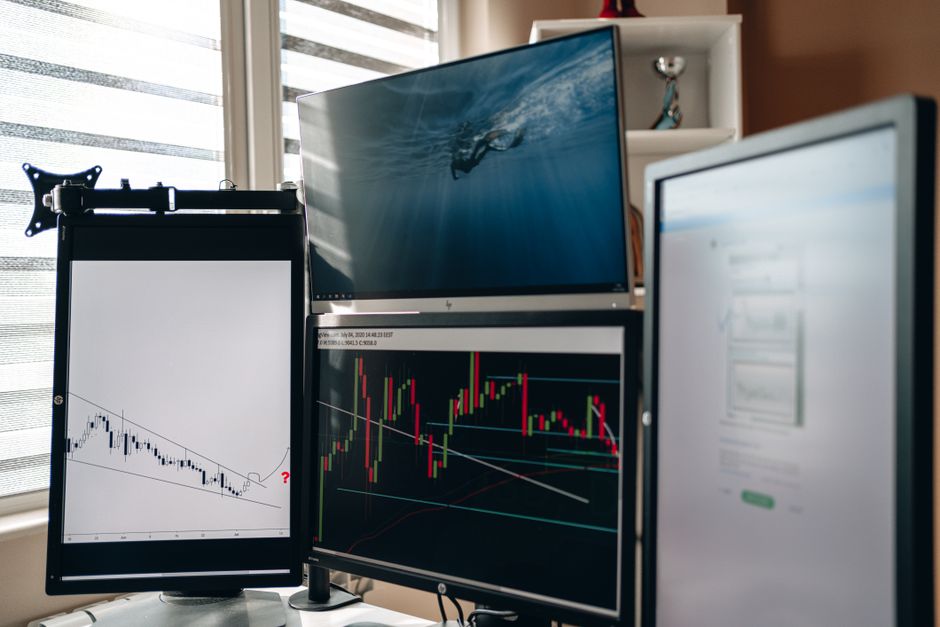
The trades that a five minute range takes and a longer one does not are, on average, the marginal ones. They are the moves that were not large enough to escape a wider boundary. That is not automatically bad, since a smaller boundary also means a closer stop and a smaller risk per attempt.
The question is whether the proportion that follow through falls faster or slower than the risk per trade does. If the extra signals succeed at a materially lower rate but risk the same amount per attempt, they are subtracting. If the risk shrinks in proportion, they are roughly neutral and the higher count is simply more work for the same result.
Costs Scale With Count
This is the part that gets ignored, because it is boring. Every trade carries costs that do not depend on how far price travels. Taking substantially more trades multiplies those costs directly, and they come out of an expected gain per trade that is smaller on this timeframe because the moves being captured are shorter.
A smaller expected gain per trade combined with a fixed cost per trade is an unfavourable pairing, and it is the specific reason that a higher frequency version of a working approach can be unprofitable while the lower frequency version is fine. Nothing about the logic changed. The overhead simply grew until it mattered.
Attention Is Also Consumed Per Trade
There is a second cost that never appears in any calculation. More signals means more decisions, more executions, and more moments requiring full attention within the same session. Concentration is finite and it degrades through the morning.
A trader taking several triggers on a five minute range is not performing at the same standard on the fourth as on the first. If the later trades are executed slightly worse, that degradation lands entirely on the marginal trades that were already the least convincing, which compounds the problem rather than spreading it evenly.
The Condition for the Extra Trades to Be Worth It
All of this can still come out in favour of the shorter period. It requires the extra signals to succeed at a rate close enough to the original ones that the reduced risk per attempt more than compensates for the additional overhead.
That is a measurable claim, not a matter of opinion, and it can only be assessed by keeping the record separately rather than pooling everything into one figure. If the trades that only the five minute range produces are tracked as their own group, the answer becomes visible after enough sessions. Pooled together with the trades a longer range would also have taken, the marginal group hides inside the total and its contribution, positive or negative, is never seen.