The Noise You Accept in Exchange for Speed
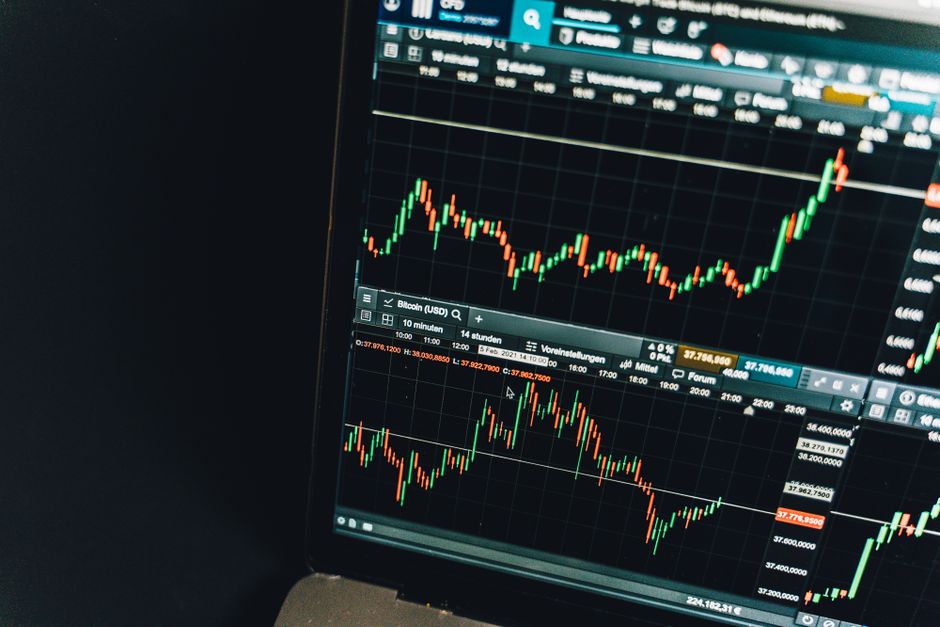
Every choice of range length is a trade between how early you can act and how much confidence the level carries. Five minutes sits at one end of that scale. It gives the earliest possible entry among commonly used periods and, in return, gives a boundary that will be crossed without meaning it more often than any longer alternative. That exchange is the whole character of the timeframe.
What Early Entry Is Worth

The argument for acting quickly is real. A move that develops through the session is at its cheapest near the start, and a range set five minutes in puts the entry closer to the origin of that move than a range set later. On sessions that trend from the open, that difference is the entire advantage, and it can be substantial.
It also means the stop, placed at the opposite boundary, sits close, so the amount risked to find out whether the move is real is small. Being wrong quickly and cheaply is a legitimate design goal, and this timeframe delivers it.
The Specific Shape of the Noise
The cost arrives in a recognisable pattern. Price crosses the boundary, moves a little further, stalls, and comes back inside the range. Sometimes it continues through the opposite boundary and does the same thing in reverse. The rule fires, the trade is entered correctly, and the session simply had no intention of going anywhere yet.
This happens on longer periods too. It happens more here, because a boundary formed in five minutes is close to price and was often established by a single push rather than by repeated rejection. There is less behind the level, so less is required to cross it.
Two Costs, Not One
The obvious cost is the losing trade. The second cost is more corrosive. A sequence of false breaks in the same session leaves you positioned worse for the move that eventually works, because attention and confidence have both been spent and the temptation to skip the next signal is at its strongest exactly when the next signal is the good one.
This is why a rule about how many attempts are permitted per session matters more on a short range than a long one. Without one, a whipsaw morning can produce a string of entries that no plan actually authorised, each individually justified by the trigger firing again.
Deciding Whether the Exchange Suits You
The exchange is not universally good or bad. It depends on how the additional false breaks compare with the improved entry price on the sessions that do work. If the moves you capture are large relative to the range, entering earlier is worth a fair number of small failures. If the moves you capture are modest, the failures eat the advantage.
Temperament belongs in this too, and it is not a soft consideration. An approach that is theoretically sound and produces repeated small losses through a morning will not be followed by someone who finds that unpleasant, and an approach that is not followed has no properties at all.
Reducing the Noise Without Losing the Speed
Most attempts to filter out false breaks work by waiting, which spends the advantage that made the timeframe attractive. Requiring a close beyond the boundary, or a small distance beyond it, or a second bar in the direction of the break, each removes some proportion of the failures and each delays the entry.
That is the honest description of every such filter. It is not a way of getting the same trade with fewer losses. It is a way of moving a little along the scale towards a longer effective period, and it should be evaluated on those terms. If a filter delays entry enough, you are trading something closer to a longer range with extra steps, and it would be simpler and more coherent to use the longer range directly and accept what that timeframe offers instead.